Many medical conditions make their presence known through noticeable symptoms. A fever may signal an infection, joint pain can indicate arthritis, and persistent coughing often accompanies respiratory illnesses. However, some health concerns develop quietly, causing damage long before symptoms appear. High blood pressure, also known as hypertension, is one of the most common examples.
Because hypertension often progresses without obvious warning signs, regular health screenings are essential. At Medical Associates of North Texas, our team helps patients identify, manage, and monitor high blood pressure before it leads to serious complications. Early detection and proper treatment can significantly reduce health risks and improve long-term wellness.
Understanding the Risks of High Blood Pressure
Hypertension is frequently referred to as a silent health threat because many people experience no symptoms, even when their blood pressure reaches unhealthy levels. Despite the lack of warning signs, elevated blood pressure can gradually damage blood vessels and vital organs throughout the body.
Blood pressure measures the force of blood pushing against artery walls. When that pressure remains consistently high, the cardiovascular system must work harder than normal. Over time, this extra strain can lead to serious health problems.
Uncontrolled hypertension may increase the risk of:
- Heart disease
- Heart attack
- Stroke
- Kidney disease
- Vision problems
- Peripheral artery disease
- Cognitive decline
- Sexual health complications
One of the greatest concerns surrounding hypertension is its prevalence. Millions of adults live with high blood pressure without realizing it. Since symptoms often do not develop until complications occur, routine monitoring is one of the most effective ways to protect your health.
How Hypertension Is Diagnosed
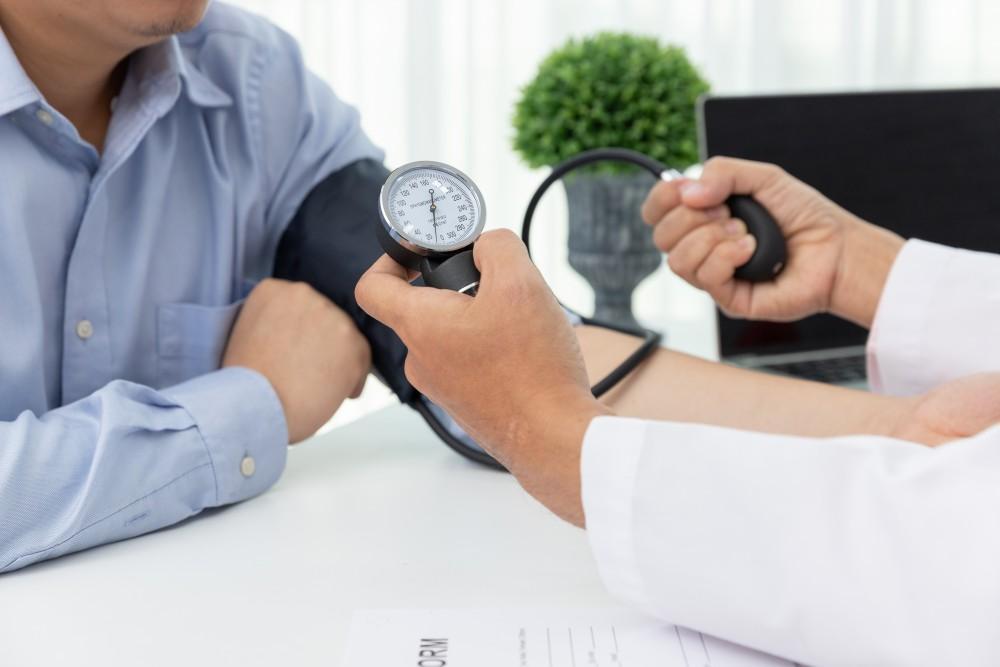
Checking blood pressure is a quick, noninvasive process performed during a routine medical visit. A blood pressure cuff is placed around the upper arm to measure two important readings:
- Systolic pressure, which reflects the force of blood during heartbeats
- Diastolic pressure, which measures pressure between heartbeats
Consistently elevated readings may indicate hypertension and warrant further evaluation. Regular screenings are particularly important for adults with risk factors such as obesity, diabetes, family history of hypertension, smoking, or a sedentary lifestyle.
Managing and Improving High Blood Pressure
The good news is that hypertension can often be successfully controlled, and in some cases, significant lifestyle improvements may help lower blood pressure to healthier levels.
Several healthy habits can support better cardiovascular health, including:
- Following a balanced, heart-healthy diet
- Limiting sodium intake
- Staying physically active
- Maintaining a healthy weight
- Avoiding tobacco products
- Managing stress effectively
- Limiting alcohol consumption
- Getting adequate sleep
For some individuals, lifestyle modifications alone may not be enough. Prescription medications can play an important role in lowering blood pressure and reducing the risk of serious complications. Your provider can recommend a treatment plan based on your medical history, current health status, and blood pressure readings.
Take Control of Your Heart Health
Because hypertension often develops without noticeable symptoms, waiting until you feel unwell can allow significant damage to occur. Routine screenings and early intervention are key to preventing long-term complications and maintaining overall health.
At Medical Associates of North Texas, we provide comprehensive hypertension screening, diagnosis, and treatment services to help patients achieve better cardiovascular health. If you have concerns about your blood pressure or are due for a checkup, our team is here to help.
Schedule an appointment today to learn more about your blood pressure and the steps you can take to protect your health for years to come.