A diagnosis of Type 2 diabetes often comes with many questions about the future. One of the most common questions healthcare providers hear is whether the condition can be reversed.
While there is currently no permanent cure for Type 2 diabetes, effective treatment and lifestyle changes can help many people successfully manage their blood sugar levels. In some cases, individuals may achieve diabetes remission, allowing blood sugar levels to remain within a healthy range without medication for an extended period.
Understanding how Type 2 diabetes develops and what treatment options are available can help you take control of your health and reduce your risk of complications.
What Is Type 2 Diabetes?
Type 2 diabetes is a chronic condition that affects the way your body processes glucose, which is the primary source of energy for your cells.
Normally, the pancreas produces insulin, a hormone that helps move glucose from the bloodstream into the body’s cells. With Type 2 diabetes, the body either does not produce enough insulin or becomes resistant to its effects.
As a result, glucose builds up in the bloodstream instead of being used for energy, causing blood sugar levels to rise.
Over time, uncontrolled blood sugar can damage blood vessels, nerves, and organs throughout the body.
Why Managing Diabetes Matters
Without proper treatment, Type 2 diabetes can increase the risk of serious health complications, including:
- Heart disease
- Stroke
- Kidney disease
- Nerve damage
- Vision loss
- Poor wound healing
- Foot problems
The goal of diabetes management is to keep blood sugar levels within a healthy range to reduce the likelihood of these long-term complications.
Understanding Prediabetes
Before developing Type 2 diabetes, many people experience a condition known as prediabetes.
Prediabetes occurs when blood sugar levels are elevated but not yet high enough to meet the criteria for a diabetes diagnosis. At this stage, the body is already showing signs of insulin resistance.
The good news is that prediabetes can often be prevented from progressing through healthy lifestyle changes. Improving nutrition, increasing physical activity, and achieving a healthy weight may significantly reduce the risk of developing Type 2 diabetes.
Can Type 2 Diabetes Go Into Remission?
Although Type 2 diabetes is generally considered a lifelong condition, some individuals can achieve remission.
Diabetes remission occurs when blood sugar levels return to a non-diabetic range and remain there without the need for diabetes medications for an extended period.
Remission does not mean the disease has been cured. The underlying tendency toward insulin resistance may still be present, and blood sugar levels can rise again if healthy habits are not maintained.
However, remission can provide significant health benefits and reduce the risk of diabetes-related complications.
Factors That May Support Remission
For some individuals, substantial and sustained weight loss can improve insulin sensitivity and blood sugar control enough to achieve remission.
Lifestyle changes that may contribute to better blood sugar management include:
- Following a balanced, nutrient-rich diet
- Increasing physical activity
- Losing excess weight
- Reducing sedentary behavior
- Improving sleep habits
- Managing stress levels
- Avoiding tobacco use
Every person’s experience is different, and remission is not possible for everyone. However, these healthy habits remain valuable components of diabetes care regardless of remission status.
Building a Personalized Diabetes Management Plan
Successful diabetes management requires an individualized approach. Treatment plans are often based on a person’s medical history, current health, lifestyle, and blood sugar levels.
A comprehensive diabetes management plan may include:
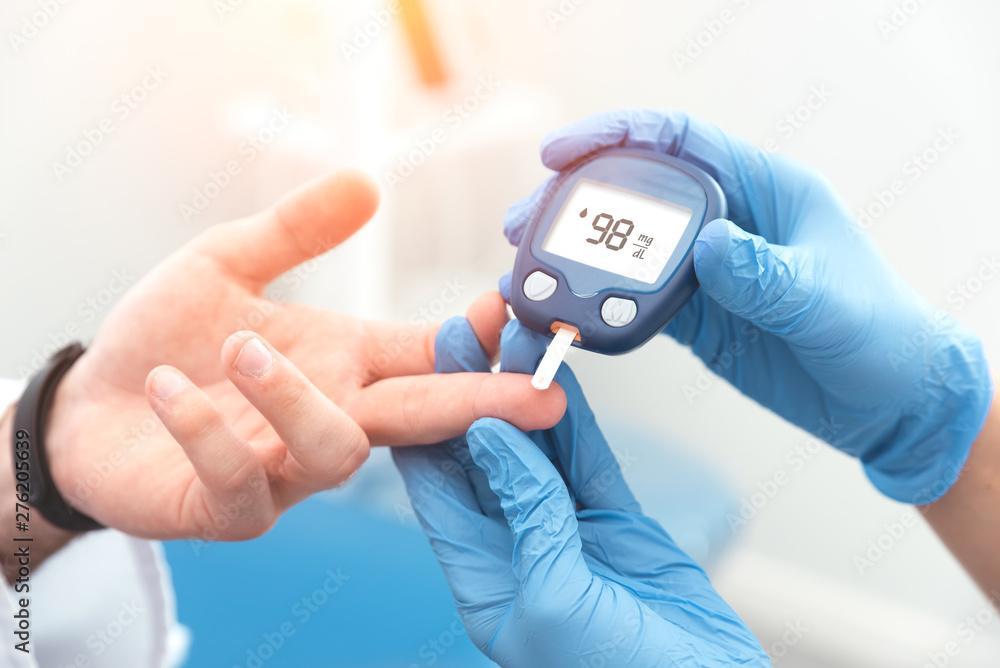
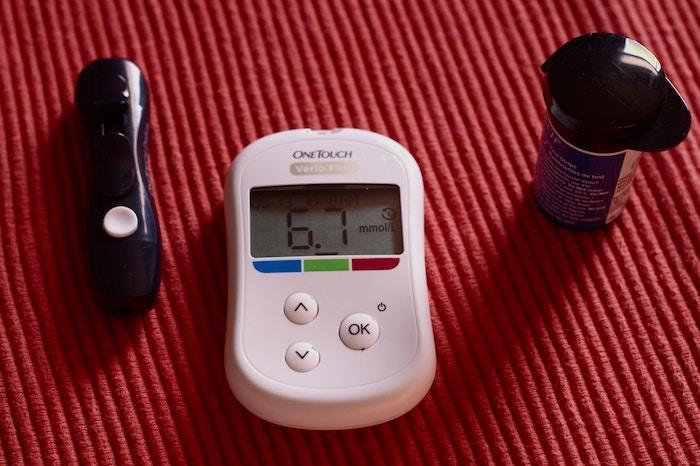
- Regular blood sugar monitoring
- Prescription medications
- Insulin therapy when necessary
- Medical weight management
- Nutrition counseling
- Exercise guidance
- Smoking cessation support
- Routine preventive healthcare
Consistent monitoring and follow-up care help ensure treatment remains effective as your health needs change over time.
Taking Control of Your Health
A Type 2 diabetes diagnosis can feel overwhelming, but it does not have to define your future. With the right combination of medical care, lifestyle modifications, and ongoing support, many people successfully manage their condition and maintain a healthy, active life.
Whether your goal is improving blood sugar control, preventing complications, losing weight, or exploring the possibility of remission, early and consistent management is one of the most effective ways to protect your long-term health.