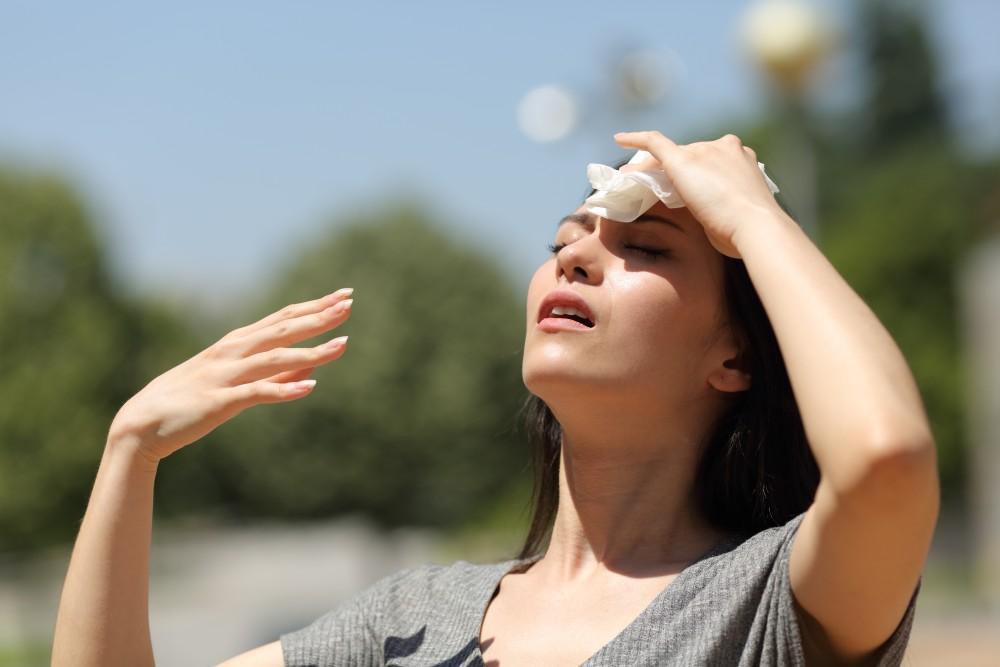
Water is essential for nearly every function in the human body. It helps regulate temperature, transport nutrients, lubricate joints, support organ function, and maintain healthy circulation. When your body loses more fluids than it takes in, dehydration can occur, affecting both your physical and mental well-being.
While mild dehydration can often be treated at home, more severe cases may require professional medical attention. Understanding the warning signs and knowing how to rehydrate properly can help prevent complications and get you feeling better faster.
Simple Steps to Rehydrate at Home
For mild dehydration, replacing lost fluids is usually enough to restore balance. Drinking water is the first and most important step.
However, if dehydration results from excessive sweating, vomiting, diarrhea, or prolonged physical activity, your body may also lose important minerals known as electrolytes. In these situations, sports drinks, oral rehydration solutions, or electrolyte-enhanced beverages can help replenish both fluids and essential nutrients.
Drink Fluids Gradually
One common symptom of dehydration is nausea. Drinking large amounts of water too quickly may make stomach discomfort worse. Instead, try taking small, frequent sips over time to allow your body to absorb fluids more comfortably.
Move to a Cooler Environment
Heat exposure can contribute to ongoing fluid loss through sweating. If you’re dehydrated, rest in an air-conditioned or shaded area while rehydrating. Staying cool helps your body conserve fluids and recover more efficiently.
Monitor How You Feel
Many people begin to notice improvement within a short period after rehydrating. Increased energy, improved concentration, reduced dizziness, and less thirst are all signs that your body is responding well to fluid replacement.
Once you’ve recovered, make hydration a daily priority. Carrying a reusable water bottle, drinking fluids throughout the day, and increasing your intake during hot weather or physical activity can help prevent dehydration from recurring.
Signs That You May Need Medical Attention
Although mild dehydration is often manageable at home, moderate to severe dehydration can become a serious health concern. If symptoms persist despite drinking fluids, it may be time to seek professional care.
Watch for warning signs such as:
- Persistent confusion or difficulty concentrating
- Feeling lightheaded when standing up
- Extreme weakness or exhaustion
- Ongoing nausea or vomiting that prevents fluid intake
- Little or no urination for several hours
- Rapid heartbeat
- Seizures
- Weak or difficult-to-detect pulse
These symptoms may indicate that your body needs more aggressive fluid replacement than oral hydration can provide.
How Medical Treatment Can Help
When dehydration becomes severe, healthcare providers may recommend intravenous (IV) fluids. Unlike drinking water, IV hydration delivers fluids directly into the bloodstream, allowing the body to restore hydration levels more quickly and efficiently.
Medical treatment can also help identify and address the underlying cause of dehydration, whether it’s illness, heat exposure, medication side effects, or another health condition.
Protecting Yourself From Future Dehydration
Preventing dehydration is often easier than treating it. Consider these simple strategies:
- Drink water consistently throughout the day.
- Increase fluid intake during hot weather.
- Stay hydrated before, during, and after exercise.
- Replace electrolytes after prolonged sweating.
- Pay attention to early signs of thirst and fatigue.
- Limit excessive alcohol consumption, which can contribute to fluid loss.
By staying proactive, you can help your body maintain healthy hydration levels and reduce your risk of dehydration-related complications.
When in Doubt, Get Evaluated
If your symptoms are severe or don’t improve with home care, don’t ignore them. Prompt medical attention can help restore hydration, relieve symptoms, and prevent more serious complications. Seeking care early can make recovery faster and help you return to feeling your best.