Could You Have Sleep Apnea? Warning Signs You Shouldn’t Ignore
Getting quality sleep is essential for your physical and mental well-being. However, millions of people experience interrupted sleep every night because of a common but often undiagnosed condition known as sleep apnea.
Sleep apnea causes repeated pauses in breathing during sleep, preventing the body from getting enough oxygen and disrupting normal sleep cycles. Because these breathing interruptions occur while you’re asleep, many people don’t realize they have the condition until symptoms begin affecting their daily lives.
Recognizing the warning signs of sleep apnea can help you seek treatment early and reduce your risk of serious health complications.
What Is Sleep Apnea?
Sleep apnea is a sleep-related breathing disorder characterized by repeated interruptions in breathing throughout the night.
There are three primary types of sleep apnea:
Obstructive Sleep Apnea (OSA)
This is the most common form of sleep apnea. It occurs when the muscles in the back of the throat relax during sleep, causing the airway to become partially or completely blocked.
Central Sleep Apnea
Central sleep apnea develops when the brain temporarily fails to send proper signals to the muscles responsible for breathing.
Complex Sleep Apnea Syndrome
Also known as treatment-emergent central sleep apnea, this condition involves features of both obstructive and central sleep apnea.
Although the causes differ, the symptoms often overlap.
Common Symptoms of Sleep Apnea
Many sleep apnea symptoms occur during sleep, making them easy to overlook. However, there are several signs that may indicate a breathing disorder is affecting your rest.
Common symptoms include:
- Loud or persistent snoring
- Excessive daytime sleepiness
- Waking up with a dry mouth
- Morning headaches
- Difficulty staying asleep
- Trouble concentrating
- Irritability or mood changes
- Feeling tired even after a full night’s sleep
Because sleep quality is repeatedly disrupted, many people experience fatigue that interferes with work, school, and everyday activities.
Signs Others May Notice
Family members or bed partners are often the first to recognize sleep apnea symptoms because they can observe breathing patterns during sleep.
Someone may notice that you:
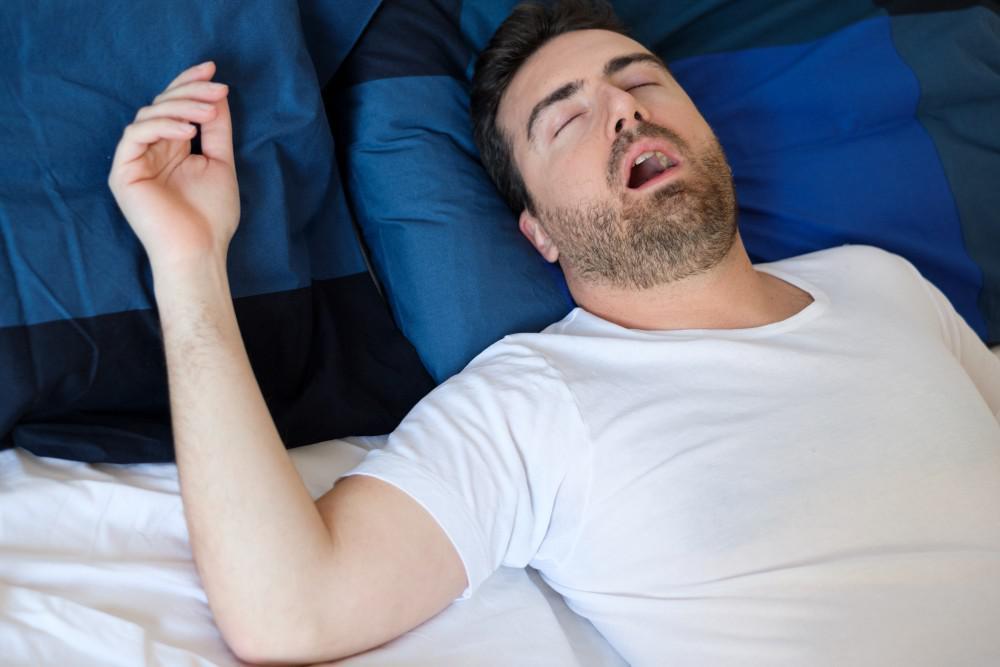
- Snore loudly
- Gasp for air during sleep
- Choke or snort while sleeping
- Experience pauses in breathing
- Toss and turn frequently throughout the night
If someone has mentioned these symptoms, it may be worth discussing them with a healthcare provider.
Who Is at Higher Risk?
Sleep apnea can affect people of all ages, but certain factors increase the likelihood of developing the condition.
Risk factors may include:
- Excess body weight
- Larger neck circumference
- Family history of sleep apnea
- Being male
- Advancing age
- Smoking
- Chronic nasal congestion
While these factors may increase risk, sleep apnea can occur in individuals without any obvious risk factors as well.
Health Risks of Untreated Sleep Apnea
Sleep apnea is more than just a snoring problem. When left untreated, repeated interruptions in breathing can place significant stress on the body.
Potential complications include:
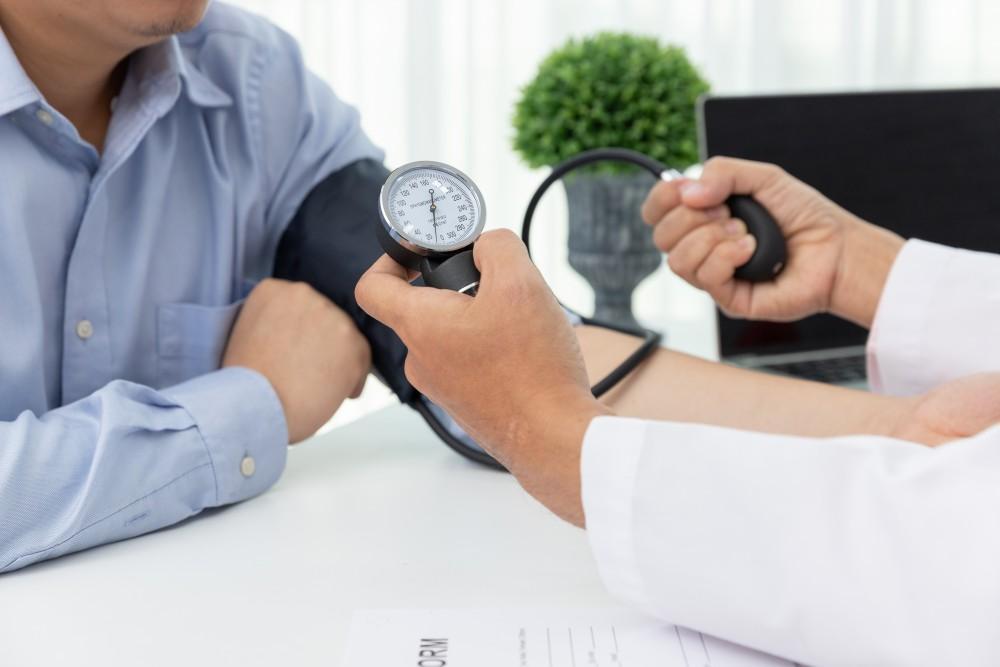
- High blood pressure
- Heart disease
- Stroke
- Type 2 diabetes
- Chronic fatigue
- Memory and concentration difficulties
- Weight gain
- Increased risk of accidents due to daytime drowsiness
Over time, poor sleep quality can affect nearly every aspect of overall health.
How Sleep Apnea Is Diagnosed
If sleep apnea is suspected, your healthcare provider may recommend a sleep evaluation.
Diagnosis often involves a sleep study, which monitors breathing patterns, oxygen levels, heart rate, and sleep activity throughout the night. The results help determine whether sleep apnea is present and how severe the condition may be.
Early diagnosis is important because treatment can significantly improve both sleep quality and long-term health outcomes.
Treatment Options for Sleep Apnea
Several effective treatments are available depending on the type and severity of sleep apnea.
Common treatment options include:
- Lifestyle modifications such as weight management
- Oral appliances designed to keep the airway open
- Continuous Positive Airway Pressure (CPAP) therapy
- Sleep position adjustments
- Treatment for underlying medical conditions
Many patients experience significant improvements in energy levels, sleep quality, and overall health once treatment begins.
Don’t Ignore the Signs
Frequent snoring, excessive daytime fatigue, and interrupted breathing during sleep should never be dismissed as normal. Sleep apnea is a common condition, but it is also highly treatable.
If you suspect that sleep apnea may be affecting your sleep, seeking medical evaluation can help identify the cause and provide solutions that improve both your rest and your overall health. Early treatment can reduce your risk of serious complications while helping you wake up feeling more refreshed and energized each day.