Most cuts, scrapes, and minor injuries heal naturally with time and proper care. However, some wounds fail to progress through the normal healing process and may require specialized treatment to prevent serious complications. When a wound remains open, becomes infected, or contains damaged tissue, wound debridement may be an important part of recovery.
Wound debridement is a procedure that removes dead, damaged, or infected tissue from a wound. By clearing away unhealthy tissue, healthcare providers can help create an environment that supports healing and lowers the risk of infection.
Understanding the warning signs of a problem wound can help you seek treatment before complications develop.
Your Wound Isn’t Healing as Expected
One of the most common reasons for wound debridement is delayed healing. While every injury heals at its own pace, most wounds should begin showing signs of improvement within the first couple of weeks.
Normal healing signs may include:
- Formation of a protective blood clot
- Development of a scab
- Gradual reduction in pain and swelling
- New tissue growth
- Scar formation as the wound closes
A wound may be considered slow-healing if it continues to show little or no improvement after several weeks.
Warning signs include:
- Persistent pain
- Ongoing drainage or discharge
- Continued bleeding
- Wound edges that fail to close
- Little visible progress over time
When healing stalls, dead tissue may be preventing the body from repairing the area effectively. Debridement can help remove these barriers and encourage recovery.
You Have a Medical Condition That Affects Healing
Certain health conditions can interfere with circulation, immune function, and the body’s natural healing process. As a result, wounds may take longer to heal and carry a higher risk of complications.
You may be more vulnerable to slow-healing wounds if you have:
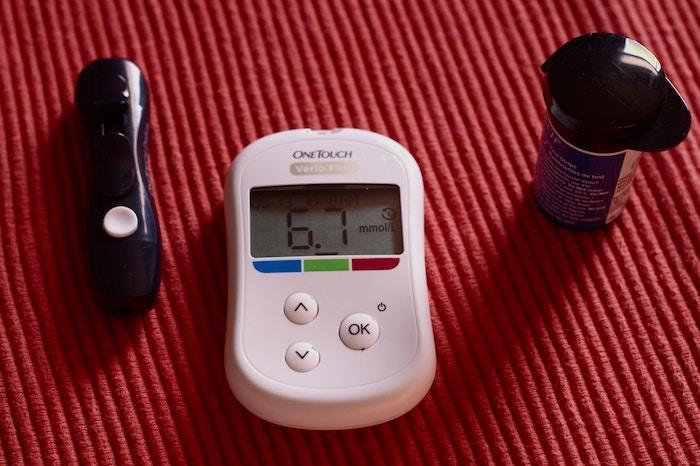
- Diabetes
- Peripheral artery disease
- Poor circulation
- Vascular disease
- Nerve damage
- A weakened immune system
These conditions can reduce blood flow and oxygen delivery to injured tissues, making it more difficult for wounds to heal properly.
Lifestyle Factors Increase Your Risk
In addition to underlying medical conditions, lifestyle habits can also affect wound healing.
Factors that may slow recovery include:
- Smoking or tobacco use
- Excessive alcohol consumption
- Limited physical activity
- Poor nutrition
These factors can impair circulation and reduce the body’s ability to repair damaged tissue. If you develop a wound and have any of these risk factors, monitoring the injury closely is especially important.
Your Wound Shows Signs of Infection
Infection is one of the most serious complications associated with chronic or slow-healing wounds. When bacteria enter a wound, healing can stop and the risk of tissue damage increases.
Common signs of infection include:
- Redness around the wound
- Swelling
- Warmth at the injury site
- Increasing pain or tenderness
- Pus or unusual drainage
- Persistent bleeding or oozing
- Fever or chills
Prompt treatment is important because untreated infections can spread to surrounding tissue and lead to more severe health concerns.
In many cases, debridement helps remove infected tissue and reduces the bacterial burden, giving healthy tissue a better opportunity to heal.
How Wound Debridement Helps
Debridement is often one of the first steps in comprehensive wound care. The procedure removes tissue that is no longer healthy or capable of healing, allowing new tissue to grow more effectively.
Benefits of wound debridement may include:
- Promoting faster healing
- Reducing infection risk
- Improving the effectiveness of wound dressings
- Encouraging healthy tissue growth
- Preventing further tissue damage
The most appropriate debridement method depends on factors such as the wound’s size, location, age, severity, and your overall health.
What to Expect During Specialized Wound Care
A healthcare provider will carefully evaluate your wound and develop a personalized treatment plan based on your specific needs.
Treatment may include:
- Wound assessment and monitoring
- Debridement of damaged tissue
- Application of protective dressings
- Infection management
- Guidance for at-home wound care
- Regular follow-up visits to track healing progress
Because wound dressings often need routine replacement, ongoing monitoring plays an important role in achieving the best possible outcome.
Don’t Ignore a Slow-Healing Wound
A wound that fails to heal properly should never be ignored. Delayed treatment can increase the risk of infection, tissue damage, and other complications that become more difficult to manage over time.
If you notice that a wound isn’t improving, especially if you have diabetes, circulation problems, or signs of infection, professional wound care may help restore healing and protect your long-term health. Early evaluation can make a significant difference in preventing complications and supporting recovery.