
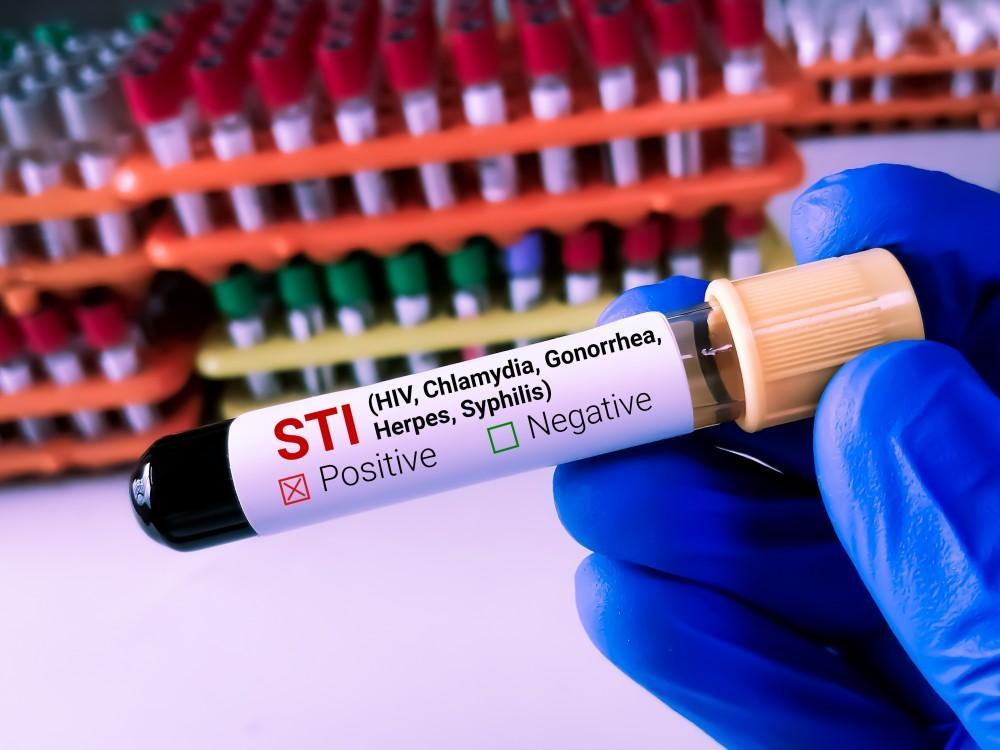
Sexually transmitted diseases (STDs) remain a significant public health concern, affecting millions of people every year. Because many infections can develop without noticeable symptoms, individuals may not realize they have an STD until complications occur or they unknowingly pass the infection to a partner.
Regular STD testing is one of the most effective ways to protect your health, prevent long-term complications, and support the well-being of your sexual partners. Understanding the importance of screening can help you make informed decisions about your healthcare.
Understanding STDs and STIs
Sexually transmitted infections (STIs) are infections spread primarily through sexual contact. When an infection causes symptoms or health complications, it may be referred to as a sexually transmitted disease (STD).
Common STDs and STIs include:
- Chlamydia
- Gonorrhea
- Syphilis
- Human immunodeficiency virus (HIV)
- Herpes
- Human papillomavirus (HPV)
Many of these infections are highly treatable, especially when identified early through routine testing.
Why STD Testing Is Important
Many people assume they would know if they had an STD. However, numerous sexually transmitted infections can remain silent for weeks, months, or even years.
Because symptoms are not always present, testing is often the only reliable way to determine your status.
Benefits of regular STD testing include:
- Early detection of infections
- Prompt treatment when necessary
- Reduced risk of long-term health complications
- Protection of current and future sexual partners
- Greater confidence and peace of mind
Knowing your status allows you to take appropriate steps to safeguard both your health and the health of others.
Untreated STDs Can Lead to Serious Health Problems
When left undiagnosed and untreated, certain sexually transmitted diseases can cause significant health complications.
Potential consequences may include:
- Infertility
- Chronic pelvic pain
- Pregnancy complications
- Increased risk of certain infections
- Damage to organs and body systems
- Long-term reproductive health issues
Many of these complications can be prevented with early diagnosis and proper treatment. This is one of the primary reasons healthcare providers recommend regular screening for sexually active individuals.
You May Have an STD Without Knowing It
One of the biggest challenges with sexually transmitted infections is that they often do not cause obvious symptoms.
Some people experience no symptoms at all, while others may have very mild signs that go unnoticed.
Asymptomatic infections can still be transmitted to sexual partners and may continue causing damage within the body. This makes routine testing an essential part of preventive healthcare, even when you feel completely healthy.
Testing may be particularly important if you:
- Have a new sexual partner
- Have multiple sexual partners
- Have had unprotected sex
- Are unsure of your STD status
- Have a partner who has tested positive for an STD
Modern STD Testing Is Simple and Confidential
Many people avoid testing because they feel uncomfortable or worry the process will be difficult. In reality, STD testing is often quick, straightforward, and confidential.
Depending on the specific infection being screened, testing may involve:
- A blood sample
- A urine sample
- A swab from the affected area
- A physical examination when necessary
Healthcare providers can recommend the appropriate tests based on your age, medical history, symptoms, and risk factors.
The process is designed to be private and respectful, helping you get the information you need without unnecessary stress.
Early Treatment Can Protect Your Health
Many sexually transmitted diseases can be successfully treated when diagnosed early. Certain bacterial infections can often be cured with medication, while viral infections can frequently be managed with treatment plans that help reduce symptoms and lower transmission risk.
Receiving timely care can help:
- Prevent complications
- Reduce the spread of infection
- Improve treatment outcomes
- Protect reproductive health
- Support long-term wellness
The sooner an infection is identified, the sooner appropriate treatment and follow-up care can begin.
Take Charge of Your Sexual Health
STD testing is an important part of maintaining overall health and practicing responsible sexual wellness. Whether you have symptoms or simply want reassurance, routine screening provides valuable information about your health status and helps prevent future complications.
If you are sexually active and have never been tested—or if it has been a while since your last screening—consider speaking with a healthcare provider about the tests that may be right for you. A simple appointment today can provide answers, peace of mind, and protection for your future health.